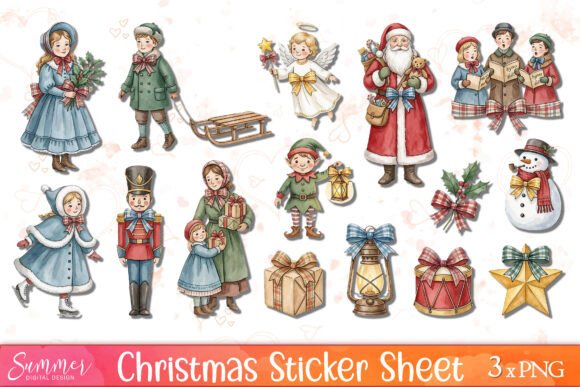
Reviewing Vintage Victorian Christmas Stickers for Embroidery
As a designer who has spent countless hours staring at digitized previews and troubleshooting thread breaks, I approach every new machine embroidery design with a mix of excitement and skepticism. We have all been there: the digital mockup looks flawless, but the reality on fabric tells a different story. Recently, I evaluated Vintage Victorian Christmas Stickers, a set of illustrations that promises to bring old-world charm to modern stitching projects. My goal was not just to admire the aesthetic, but to determine if these assets hold up under the needle in real-world commercial and personal applications.
First Impressions: Mood and Visual Personality
The immediate appeal of Vintage Victorian Christmas Stickers lies in its nostalgic warmth. The layout captures that specific late-19th-century sensibility—ornate yet balanced, detailed but not chaotic. For an embroidery designer, this is crucial. Overly complex illustrations often translate poorly into thread, resulting in muddy fills or lost details. However, these designs feel curated for translation. The visual personality suggests a project that is meant to be cherished, not just worn and discarded. It evokes the feeling of a handwritten letter or a heirloom ornament, which is exactly the mood many boutique buyers are seeking during the holiday season.
When I first loaded the files into my editing software, I looked closely at the line work. The distinction between potential satin stitch borders and fill stitch areas seemed well-defined. This is vital for maintaining clarity. If the original illustration relies too heavily on subtle shading, it can become a nightmare to digitize effectively. Fortunately, these stickers appear to have strong structural lines that would guide the needle path logically, reducing the risk of thread bunching in tight corners.
Real-World Application: From Mockup to Finished Product
To test the viability of Vintage Victorian Christmas Stickers, I imagined a specific client scenario: a custom order for a high-end boutique selling artisanal home goods. The client wanted a limited-run series of linen tea towels and canvas tote bags for their holiday collection. This is where the rubber meets the road. A design might look cute on a screen, but does it survive the tension of a tote bag design or the absorbency of a kitchen towel?
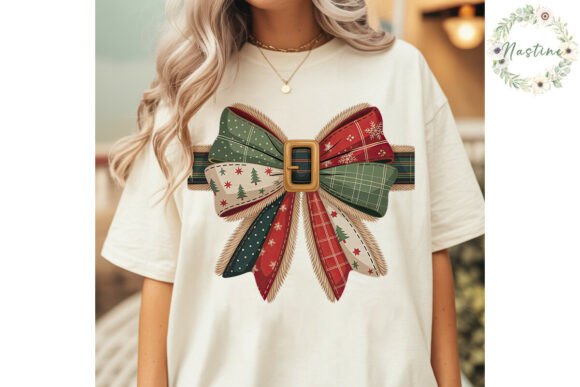
For the tote bags, I envisioned placing one of the larger sticker motifs centrally. The vintage aesthetic pairs beautifully with natural cotton or hemp fabrics. The thread colors chosen here matter immensely. Muted reds, deep greens, and antique golds would enhance the Victorian vibe, whereas bright neon tones would clash with the intended mood. In this context, the design acts as a focal point that elevates a simple bag into a handmade product worth a premium price.
Similarly, for sweatshirt embroidery, these illustrations offer a sophisticated alternative to the typical cartoonish holiday graphics. Placing a smaller version of the sticker art on the left chest or as a large back piece could create a striking custom apparel item. The key is scale. Because these are based on stickers, they likely have self-contained shapes that work well as standalone patches or direct stitches without needing extensive background filling.
Navigating Technical Challenges and Fabric Constraints
While the aesthetic is strong, practical execution requires caution. Not every fabric behaves the same way. When working with textured fabrics like terry cloth or heavy wool, fine details in the Vintage Victorian Christmas Stickers might get lost. I would advise avoiding these designs on highly textured surfaces unless you are using a substantial stabilizer and potentially simplifying the stitch count in dense areas.
Another critical consideration is hoop size. If you are attempting to stitch these on curved surfaces like caps or hats, you must ensure the design fits within the cap frame without distortion. The intricate edges common in Victorian art can pull on stretchy fabrics if the stitch density is too high. Always check the digitizing settings. If the design includes tiny lettering or delicate filigree, it may require a finer needle and lighter thread to prevent puckering.
For baby embroidery projects, such as onesies or bibs, comfort is paramount. Ensure that any satin stitch borders are not too wide or stiff, as they can irritate sensitive skin. In these cases, converting parts of the design to a running stitch or using an applique design technique where the fabric provides the color bulk can reduce stiffness while maintaining the visual impact.
Commercial Value and Brand Consistency
For Etsy sellers and small shop owners, the right design asset can define a brand. Vintage Victorian Christmas Stickers offers a cohesive look that helps build brand recognition. When customers see consistent, high-quality holiday embroidery across your small shop product line, it builds trust. It signals professionalism and attention to detail.
Using these illustrations in printable mockups before stitching can save time and materials. By testing how the design looks in black and white or against different background colors digitally, you can predict contrast issues. High contrast is essential for visibility from a distance. If the design blends into the fabric, it loses its impact. This is particularly important for commercial embroidery where the product needs to stand out on a crowded retail shelf or in online thumbnails.
Practical Designer Notes for Best Results
Before committing to a full production run, follow these steps to ensure success with Vintage Victorian Christmas Stickers:
- Test on scrap fabric: Always stitch a sample on the exact material you plan to use. Check for puckering, thread breaks, and registration accuracy.
- Check thread contrast: Ensure your thread colors pop against the fabric. Use a color wheel to find complementary shades that enhance the vintage feel.
- Review stitch density: If the design feels too stiff, consider reducing the density in fill areas or breaking up large solid sections.
- Confirm hoop size: Make sure the design fits comfortably within your hoop with adequate margin for stability.
- Inspect small details: Zoom in on the digitized file to ensure tiny elements are not too close together, which can cause thread nesting.
- Use proper stabilizer: Match the stabilizer weight to the fabric. Cut-away stabilizers are often better for stretchy knits, while tear-away works for stable wovens.
- Verify licensing: Before selling finished items or digital products, confirm the license terms associated with the digital embroidery file to ensure compliance for commercial use.
In conclusion, Vintage Victorian Christmas Stickers represents a thoughtful addition to any designer’s library. It bridges the gap between historical charm and modern crafting capabilities. By respecting the technical limitations of embroidery and leveraging the strengths of these illustrations, you can create personalized gifts and finished products that resonate with customers looking for quality and nostalgia. Whether you are creating an embroidered patch for a jacket or a delicate accent on a pillow cover, these designs offer the versatility and elegance needed to elevate your craft business.