Reviewing Christmas Goldendoodle Winter Dog Art for Embroidery
As a designer who has spent countless hours digitizing and stitching out files for clients, I approach every new machine embroidery design with a critical eye. It is not just about whether the image looks cute on a screen; it is about how those pixels translate into thread, tension, and texture on actual fabric. Recently, I evaluated Christmas Goldendoodle Winter Dog Art, a piece categorized under Illustrations, to determine its viability for real-world commercial and personal projects. Here is my practical assessment of how this design performs when the needle hits the cloth.
First Impressions and Visual Personality
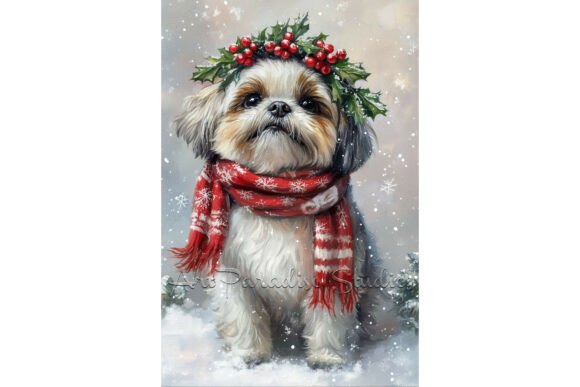
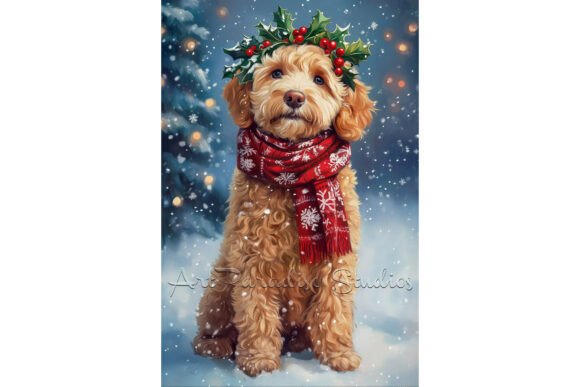
The initial appeal of Christmas Goldendoodle Winter Dog Art lies in its warmth. The composition captures that specific cozy nostalgia associated with holiday seasons, featuring the soft, curly texture of a Goldendoodle amidst winter elements. For an embroidery project, the mood is inviting rather than overly complex. The layout suggests a balance between detailed fur rendering and clear negative space, which is crucial for stitch clarity. When I look at this as an embroidery file, I am immediately thinking about thread choices. The visual personality leans towards soft pastels or rich holiday reds and greens, depending on the background fabric.
However, a pretty picture does not always make a good stitch-out. The key question is density. Does the "winter" aspect rely on heavy white fill stitches that might puckering lightweight fabrics? Or does it use clever running stitches to suggest snow? From a design perspective, this piece appears to prioritize character expression over hyper-realism, which is a smart move for machine embroidery. It allows the thread to do the work without requiring thousands of unnecessary stitches that could compromise fabric integrity.
Real-World Application: The Custom Tote Bag Test
To truly understand the value of Christmas Goldendoodle Winter Dog Art, I mentally placed it on a standard canvas tote bag. This is a staple product for any Etsy seller or craft business owner during the holiday rush. Imagine a customer ordering a personalized gift for a dog lover. The design needs to be large enough to be impactful but contained enough to fit within a standard 5x7 or 6x10 hoop.
In this scenario, the design shines. The organic shapes of the dog’s curls blend well with the textured weave of canvas. If this were an applique design, it would offer even more versatility, allowing the maker to choose a faux-fur fabric for the dog’s body, adding tactile depth that flat stitching cannot achieve. For a sweatshirt embroidery project, the design would sit comfortably on the left chest or as a larger back piece. The winter theme makes it a perennial seller, relevant from November through January, giving small shop owners a longer window for sales compared to strictly December-specific motifs.
Versatility Across Product Lines
Beyond totes and sweatshirts, this illustration adapts well to various handmade products. Consider a kitchen towel set. A smaller version of the design, scaled down for a 4x4 hoop, could serve as a charming accent near the hem. For baby embroidery, such as a onesie or blanket, the softness of the Goldendoodle imagery aligns perfectly with the gentle aesthetic parents seek. However, one must be cautious with scale. On a tiny baby item, intricate details can get lost or become stiff if the stitch density is too high.
For embroidered patch creators, this design offers strong potential. Patches require bold outlines and clear separation between colors to ensure durability and visual pop. If the original file includes clean satin stitch borders, it would translate beautifully into a merit-badge-style patch that customers can iron onto jackets or bags. This expands the utility of the digital embroidery file beyond direct-to-garment applications.
Technical Considerations and Fabric Constraints
While the aesthetic is strong, practical execution requires attention to detail. Not all fabrics behave the same way. When working with Christmas Goldendoodle Winter Dog Art, consider the following technical constraints:
- Fabric Texture: On fluffy fabrics like fleece or minky, fine details may disappear. Use a stabilizer that provides firm support, and consider simplifying the design if the fabric pile is high.
- Stretchy Materials: If applying this to a knit t-shirt or cap, proper stabilization is non-negotiable. A cut-away stabilizer is recommended to prevent distortion over time, especially if the design covers a larger area.
- Dark Fabrics: Stitching light-colored threads (like snow or a cream-colored dog) on dark navy or black fabric requires careful tension settings. Test for pull-up issues where the bobbin thread might show through. Using a topping can help keep stitches on the surface.
- Curved Surfaces: Embroidering on a cap involves a curved hoop. Ensure the design is centered and that the width does not exceed the usable area of the cap’s front panel. Distortion can occur if the design is too wide for the curve.
It is also vital to check the hoop size requirements before purchasing. A design that looks perfect in a 8x8 hoop will not fit in a 4x4 without significant loss of detail. Always verify the dimensions provided with the design assets to ensure they match your machine’s capabilities.
Enhancing Brand Value and Customer Trust
For commercial embroidery professionals, the quality of the design reflects directly on your brand. A clean, well-digitized file like Christmas Goldendoodle Winter Dog Art contributes to a professional finished product. Customers associate crisp stitching and thoughtful design with higher value. When you offer a personalized gift that looks polished, you build trust and encourage repeat business.
Moreover, using high-quality illustrations helps in creating compelling printable mockup images for your online store. A realistic preview of the design on a model wearing a sweatshirt or holding a tote bag can significantly boost buyer engagement. It allows customers to visualize the finished product before they buy, reducing hesitation and return rates.
Designer Notes for Best Results
Before committing to a full production run or selling items made with this file, follow these practical steps:
- Test on Scrap Fabric: Always stitch out a test sample on the same type of fabric you intend to use for the final product. This reveals any tension issues or density problems.
- Check Thread Color Contrast: View the design in black and white to ensure there is enough contrast between elements. If everything blends into one gray mass, adjust your thread palette for better definition.
- Inspect Small Details: Zoom in on the digital file. Are there tiny, isolated stitches that might snag or break? Clean up any unnecessary nodes if you have editing software.
- Confirm Licensing: Before selling finished items or using the file for client work, verify the license terms. Ensure it covers commercial use if you plan to profit from the designs.
- Use Proper Stabilizer: Match the stabilizer to the fabric weight. Heavy designs need heavy support; light designs need lightweight, tear-away options to maintain softness.
In conclusion, Christmas Goldendoodle Winter Dog Art is a promising addition to a designer’s library. It balances seasonal charm with practical applicability across various custom apparel and home decor items. By understanding its technical needs and leveraging its visual appeal, crafters and business owners can create standout products that resonate with customers. Whether for a boutique brand or a heartfelt holiday gift, this design holds up under scrutiny when approached with professional care and attention to detail.