Reviewing Christmas Old English Sheepdog Wall Art
As a designer who has spent countless hours staring at digitized patterns on a screen and then watching them come to life under the needle, I have learned that not every cute graphic translates well into thread. When I first pulled up Christmas Old English Sheepdog Wall Art, my initial reaction was one of cautious optimism. The subject matter is undeniably charming—fluffy dogs and holiday themes are perennial bestsellers for any Etsy seller or boutique owner. However, charm alone does not make a viable machine embroidery design. We need to look at stitch flow, density, and practical application.
The Visual Personality and First Impressions
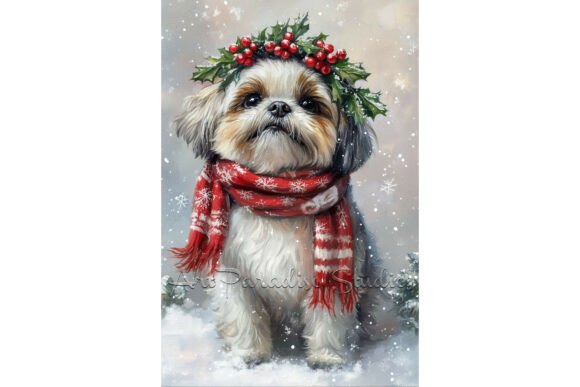
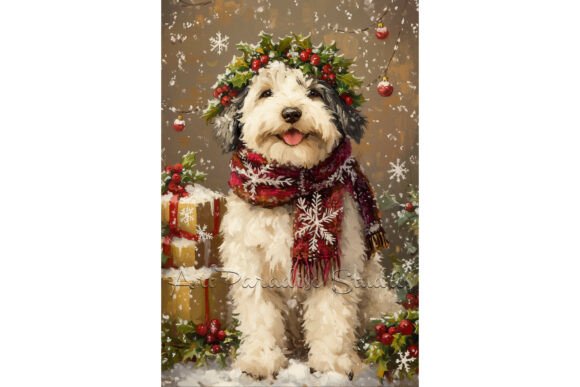
This piece falls squarely into the category of Illustrations, which means it relies heavily on visual storytelling rather than just simple iconography. The mood is cozy, nostalgic, and warm. For a crafter, this is gold. It evokes the feeling of a quiet winter evening, which is exactly what customers are buying when they purchase a personalized gift during the holiday rush. The layout appears balanced, with the sheepdog as the focal point, surrounded by festive elements that frame rather than overwhelm the subject.
From a design perspective, the challenge with an Old English Sheepdog is always the fur. In a printed image, you can use gradients and soft edges. In embroidery, you are limited by thread. A good embroidery file for this breed needs to simulate that shaggy texture without turning into a dense, puckered mess. If the digitizer has used a mix of satin stitch for the eyes and nose, and varied fill stitch angles for the coat, we are off to a good start. If it is all one-directional filling, the dog will look flat and unnatural.
Real-World Application: The Tote Bag Test
To truly evaluate this design, I imagine placing it on a canvas tote bag design. This is a staple product for small shops. Canvas has a distinct fabric texture that can interfere with fine details. If the Christmas Old English Sheepdog Wall Art has tiny, intricate details in the background foliage or the dog’s whiskers, they might get lost in the weave of the canvas.
In this scenario, the design needs to be bold enough to stand out from three feet away but detailed enough to reward closer inspection. I would recommend using a cut-away stabilizer for this project to prevent distortion, especially if the design covers a significant area. The contrast of white or cream thread against a natural or red canvas would highlight the sheepdog’s fluffy coat effectively. This makes it an excellent choice for a holiday embroidery item that feels handmade and high-quality.
Apparel and Stretchy Fabrics
Moving from bags to clothing, let’s consider sweatshirt embroidery. This is where the stitch density becomes critical. A heavy fill on a fleece or cotton-blend sweatshirt can cause the fabric to pucker or the garment to feel stiff and uncomfortable. If this design is intended for apparel, it must have been digitized with pull compensation in mind.
For a custom apparel piece, I would suggest testing the design on a scrap piece of the same fabric first. Pay attention to how the threads lay on the curved surface of a sleeve or chest pocket. If the design includes any text, ensure it is large enough to remain legible after stitching. Tiny lettering often merges together, ruining the professional look of your finished product.
Navigating Technical Challenges
There are specific situations where you should approach this design with caution. While it may look perfect on a screen, real-world variables can trip you up.
- Small Hoop Sizes: If you are trying to fit this into a 4x4 inch hoop, you may lose essential context or detail. Ensure the hoop size matches the design’s intended scale.
- Dark Fabric: If you are stitching on black or navy, you need to check if the design includes an underlay or if you need to manually add a light-colored backing layer. Without this, the dark fabric can show through the lighter threads of the sheepdog’s fur.
- Textured Fabrics: As mentioned with the tote bag, highly textured materials like terry cloth or boucle can swallow up fine running stitch details. Stick to smoother fabrics like twill or broadcloth for the best clarity.
- Curved Surfaces: Embroidering on a cap requires careful hooping. The curvature can distort the image. If the design is wide, it might wrap around the curve awkwardly. Consider resizing or simplifying for headwear.
Commercial Viability and Brand Consistency
For those running a craft business, consistency is key. Does this design fit your brand aesthetic? If your shop specializes in minimalist modern decor, this whimsical illustration might clash. However, if your brand is about warmth, tradition, and family, Christmas Old English Sheepdog Wall Art is a strong asset. It adds value because it tells a story. Customers are not just buying a stitched image; they are buying the emotion it evokes.
When creating printable mockup images for your online store, ensure the lighting highlights the texture of the thread. A flat photo does not do justice to the dimensionality of embroidery. Show the sheen of the thread colors and the depth of the stitches. This builds trust with potential buyers who want to know exactly what they are getting.
Practical Designer Notes
Before you commit to producing a batch of these for your small shop product line, take these steps:
- Test on Scrap Fabric: Never run a new design directly on your final product. Use a similar weight and type of fabric to check for puckering or thread breaks.
- Check Thread Contrast: View the design in black and white on your computer. If the elements blend into a gray blob, you need more contrast in your thread choices.
- Verify Licensing: This is crucial. Confirm whether the digital embroidery file allows for commercial use. Some designers allow you to sell physical items but prohibit selling the digital file itself. Always read the terms before listing on Etsy or other platforms.
- Inspect Small Details: Zoom in on the digitized file. Look for jump stitches that are too long or areas where the stitch direction changes abruptly. These can cause thread nests or breaks during production.
In conclusion, Christmas Old English Sheepdog Wall Art has the potential to be a standout piece in your holiday collection. It appeals to the emotional side of gift-giving while offering enough visual interest to showcase your embroidery skills. By respecting the technical limitations of the medium and choosing the right materials, you can turn this illustration into a cherished handmade product that customers will love for years to come. Whether it ends up on a baby embroidery blanket or a sophisticated embroidered patch, the key is in the execution. Treat the design with care, and it will reflect well on your brand.