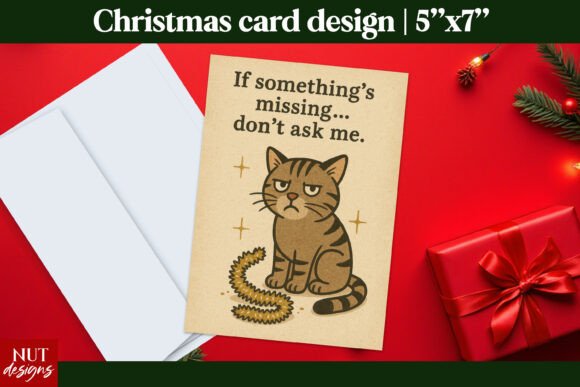
Vintage Christmas Cards Funny Cat Illustrations
I recently received a request from a boutique stationery client looking to launch a limited-edition holiday collection. The brief was specific: they needed something that felt nostalgic yet irreverent, avoiding the overly polished, generic stock imagery that floods the market every December. That is when I discovered Vintage Christmas Cards Funny Cat. As a graphic designer who has sifted through countless assets for real-world branding projects, my first impression of this illustration set was immediate relief. It strikes a rare balance between traditional holiday warmth and modern wit, making it a compelling candidate for a commercial design project.
The Visual Mood and Initial Impression
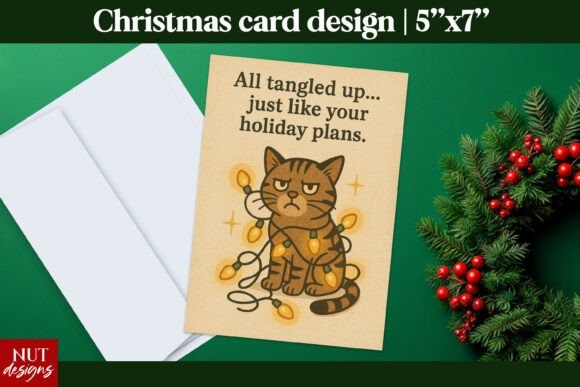
When you first open the file, the aesthetic is unmistakable. The artwork leans heavily into a retro style, reminiscent of mid-century greeting cards but with a playful twist provided by the feline subjects. The color palette typically features muted reds, forest greens, and cream tones, which instantly evoke a sense of nostalgia. For a small business owner or a handmade brand trying to establish an emotional connection with their audience, these Vintage Christmas Cards Funny Cat illustrations provide an instant visual language. They suggest tradition without feeling stiff, and humor without being slapstick. This makes them particularly effective for brands targeting millennials and Gen Z consumers who appreciate vintage aesthetics mixed with internet culture's love for cats.
In the context of my client's project, the mood created by these illustrations shifts the entire direction of the campaign. Instead of a standard "festive" look, we are now leaning into a "cozy, slightly quirky holiday" vibe. This distinction is crucial for brand identity. It allows the client to stand out in a crowded marketplace where most competitors are using similar high-gloss, photorealistic winter scenes.
Performance in Real-World Design Scenarios
Testing these assets across various applications reveals their versatility, though they do have specific strengths. In terms of packaging design, the detailed linework and textured feel of the illustrations translate beautifully onto matte cardstock. I envisioned these as the central element on gift boxes or as decorative accents on wrapping paper patterns. The character of the cat works exceptionally well as a mascot for a seasonal product line, potentially appearing on stickers, tote bags, or even t-shirt designs for a local coffee shop's holiday promotion.
For digital applications, the potential is equally strong. These illustrations function admirably as hero graphics for email marketing campaigns or as featured images for blog posts about holiday traditions. On social media platforms like Instagram and Pinterest, the distinct vintage style cuts through the noise of modern, minimalist feeds. A simple layout featuring one of the funny cats with a handwritten font can drive significant engagement. Furthermore, for creators utilizing Cricut projects or sublimation printers, the clear lines make these assets excellent candidates for cutting files, provided the vector data is clean.
However, not every application is a perfect fit. While they excel in editorial design and merchandise, they require careful handling in corporate environments. If your client is a law firm or a tech startup, these whimsical illustrations would likely undermine the desired professional tone. They are best reserved for lifestyle brands, creative agencies, Etsy shops, and print-on-demand sellers focusing on home decor or apparel.
Strategic Placement and Visual Hierarchy
Understanding where to place Vintage Christmas Cards Funny Cat within a layout is key to maintaining visual hierarchy. These illustrations work best in large layout areas where the details can be appreciated. As a focal point on a poster or a flyer, they command attention immediately. They also serve as excellent supporting elements in a themed collection, perhaps used as borders or background patterns to frame text.
Conversely, caution is required when using these assets in crowded layouts or at very small sizes. The intricate details of the vintage style can get lost if the image is shrunk too much for a favicon or a tiny icon. Additionally, placing these illustrations over complex, busy backgrounds can reduce readability. To ensure the design remains polished, I recommend using them against solid colors or subtle gradients. This approach ensures that the subject matter—the funny cat—remains the star of the show, maintaining clarity and impact.
Practical Designer Notes for Commercial Use
Before integrating any asset into a client project, I follow a rigorous checklist. Here is what I found when reviewing Vintage Christmas Cards Funny Cat:
- Contrast Testing: Always test the asset in black and white. Some vintage styles rely heavily on color to define shapes. Ensure the outlines hold up when converted to grayscale for printing purposes.
- Background Compatibility: Preview the illustrations on both light and dark backgrounds. Check how the transparency works if you are dealing with PNG files. Does the anti-aliasing create jagged edges, or is it smooth?
- Scalability: If the asset is available as an SVG or vector, verify that the paths are clean and editable. This is essential for resizing without quality loss. If it is a raster PNG, check the resolution to ensure it meets print standards (usually 300 DPI).
- Typography Pairing: Experiment with different font styles. These illustrations pair wonderfully with serif fonts for a classic look, script fonts for elegance, or bold sans-serif fonts for a modern contrast. Avoid overly decorative display fonts that might compete with the detailed artwork.
- Licensing Verification: This is non-negotiable. Confirm the commercial license covers your intended use. Whether you are creating a single Etsy product or a full marketing campaign for a national brand, ensure you have the rights to use the asset for profit. Many creative marketplaces offer extended licenses for larger production runs.
Impact on Brand Trust and Audience Engagement
Ultimately, the decision to use Vintage Christmas Cards Funny Cat comes down to how it affects the overall impression of the brand. When used correctly, these illustrations add a layer of personality and warmth that fosters trust and relatability. They signal to the audience that the brand understands humor and values tradition. This emotional appeal is often the missing link in marketing visuals that feel too sterile or automated.
For a handmade business or a small business owner launching a seasonal collection, this asset can be the difference between a forgettable post and a viral sensation. It provides a cohesive visual theme that ties together product mockups, social media graphics, and physical packaging. By leveraging the charm of these funny cat illustrations, designers can create a memorable experience that resonates with customers on a personal level.
In conclusion, while Vintage Christmas Cards Funny Cat may not be suitable for every type of project, its value in the realm of lifestyle, retail, and creative industries is undeniable. It offers a unique blend of nostalgia and humor that elevates standard holiday designs into something special. As long as you respect the visual hierarchy, check your licensing, and test the files thoroughly, this design bundle is a powerful tool for any professional portfolio.