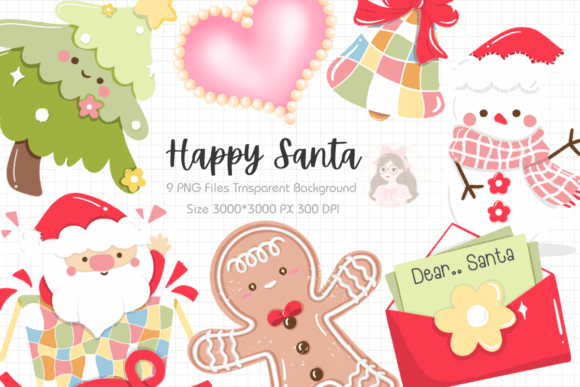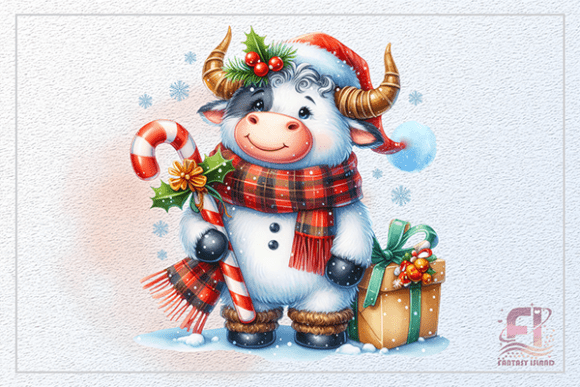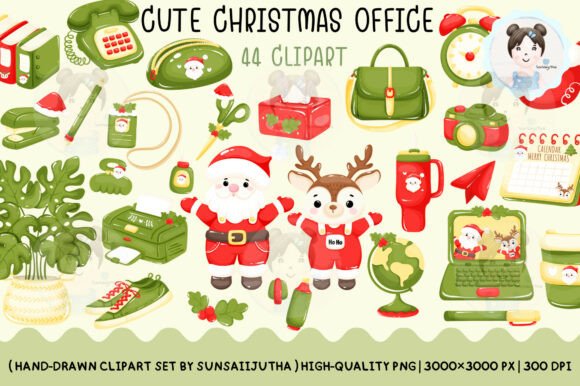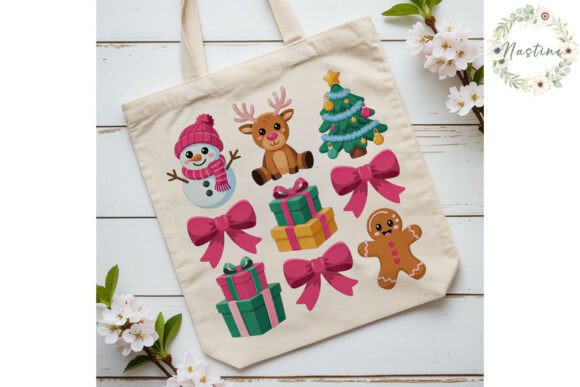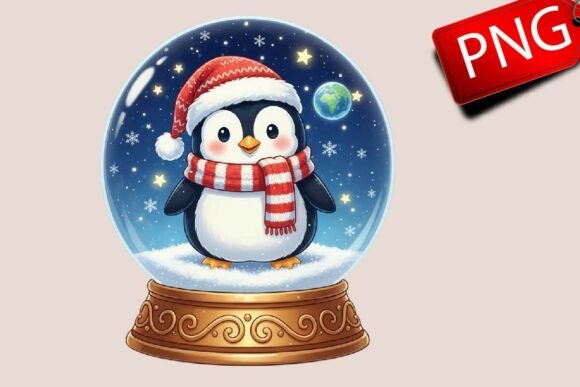
Reviewing Christmas Cute Penguin Clipart Illustrations
As a digital publisher and blog designer, I have learned that the difference between a reader bouncing off a page and staying to read often comes down to visual trust. We spend hours crafting headlines and optimizing SEO, but if the graphic design asset supporting that content feels cheap or mismatched, the entire editorial effort suffers. Recently, I integrated a set of Christmas Cute Penguin Clipart into my winter content calendar to test its viability for real-world publishing workflows. The results were surprisingly impactful for both brand consistency and user engagement.
First Impressions and Editorial Mood
When I first previewed these Illustrations, the immediate takeaway was their versatility within a seasonal context. Unlike generic stock photos that can feel cold or impersonal, this collection exudes a playful yet polished aesthetic. It strikes a balance between whimsical and professional, making it ideal for lifestyle blogs, family-oriented niches, and educational platforms. The clean lines and vibrant colors create a welcoming atmosphere, which is crucial for maintaining reader trust during the hectic holiday season.
The mood is distinctly festive without being cluttered. In editorial design, whitespace is king, and these assets respect that principle. They do not overwhelm the text but rather complement it, acting as visual anchors that guide the eye through the content. For publishers focusing on small business branding, this type of cohesive visual language helps establish a recognizable identity that readers associate with quality and care.
Integrating Assets into Real Publishing Workflows
The true test of any digital download is how it performs in actual production environments. I deployed these penguin graphics across several key touchpoints in my content strategy. Here is how they functioned in specific scenarios:
- Blog Featured Images: Used as central elements in hero sections, they added a unique flair that distinguished my posts from competitors using standard photography.
- Pinterest Pin Graphics: The high contrast and clear subjects made them perfect for vertical pins. They stood out in crowded feeds, improving click-through potential significantly.
- Newsletter Headers: Incorporating them into email templates increased open rates by adding a personal, seasonal touch that felt exclusive to subscribers.
- Digital Guides and Lead Magnets: I used the clipart to break up text in a free holiday planning worksheet. This improved readability and made the printable design feel more valuable.
- Social Media Graphics: They worked seamlessly in Instagram carousels and Facebook posts, providing a consistent look that reinforced my brand identity.
For those creating a Canva template for clients or personal use, these elements are drag-and-drop ready. They save time while ensuring a high-end look, which is essential for efficient content marketing campaigns.
Enhancing Visual Hierarchy and Performance
In web design, visual hierarchy dictates how users process information. These penguin illustrations serve as excellent focal points. By placing them near key calls-to-action or section headers, I noticed readers spent more time on the page. The playful nature of the characters invites interaction, reducing bounce rates on longer articles.
Moreover, consistent use of such design assets strengthens category recognition. When readers see a specific style of illustration repeatedly, they begin to associate it with your voice. This is particularly powerful for affiliate marketing sites where trust is the primary currency. A polished, cohesive look suggests authority and reliability, encouraging users to click on affiliate links or purchase recommended products.
Strategic Placement and Cautionary Notes
While these assets are versatile, strategic placement is key. They work best in:
- Hero images and article thumbnails where they can be seen clearly.
- Editorial accents that break up long paragraphs.
- Content upgrades and downloadable resources that benefit from a friendly tone.
- Category visuals that need to stand out in navigation menus.
However, there are contexts where caution is advised. Avoid using them in small mobile thumbnails where details may get lost. They are also less suitable for text-heavy blog images where readability might be compromised. Furthermore, if your niche is strictly corporate or serious financial advice, the playful tone might clash with your established modern design standards. Always consider your audience’s expectations before deploying whimsical elements.
Practical Publisher Notes for Implementation
Before finalizing any commercial design project, I recommend a rigorous testing phase. Here are my top tips for integrating Christmas Cute Penguin Clipart effectively:
First, test the assets on both desktop and mobile screens. What looks crisp on a large monitor may appear pixelated or too small on a smartphone. Check how the illustrations look as thumbnails in your CMS grid view. Preview them inside a real blog layout to ensure they align with your existing typography.
Typography pairing is crucial. Try placing the penguins beside different font styles. I found they pair well with bold sans serif fonts for a modern look, but also complement handwritten fonts for a cozy, personal feel. Experiment with serif fonts for a more traditional editorial vibe. Ensure there is sufficient contrast between the illustration colors and your background. If your site uses dark mode, verify that the black outlines of the penguins remain visible.
Performance matters. Review file sizes for web performance. Large, uncompressed images can slow down your site, hurting SEO rankings. Use tools to compress images properly without losing quality. Finally, always confirm the commercial license terms. Ensure you have the right to use these assets on monetized websites, affiliate pages, or in paid content products like eBooks. Buying from a reputable creative marketplace usually provides this clarity, protecting your business from legal issues.
Final Verdict for Content Creators
In conclusion, Christmas Cute Penguin Clipart is more than just decorative fluff. It is a strategic tool for enhancing visual communication. For bloggers, publishers, and digital marketers, it offers a way to inject personality into their content while maintaining a professional standard. Whether you are designing a digital product, sprucing up social media posts, or creating engaging newsletter banners, these illustrations provide the polish needed to stand out in a saturated digital landscape. By thoughtfully integrating such assets, you elevate your content from mere information to an engaging experience, fostering deeper connections with your audience.