Review: Christmas Siberian Cat Snow Wall Art for Embroidery
As a designer who has spent countless hours digitizing and testing machine embroidery design files, I approach every new asset with a critical eye. It is not enough for a graphic to look pretty on a screen; it must translate seamlessly into thread, needle, and fabric. Recently, I evaluated the Christmas Siberian Cat Snow Wall Art file to determine its viability for real-world production. This is not just a digital image; it is a potential cornerstone for holiday merchandise, and understanding its structural integrity is vital for any serious crafter or Etsy seller.
First Impressions and Visual Mood
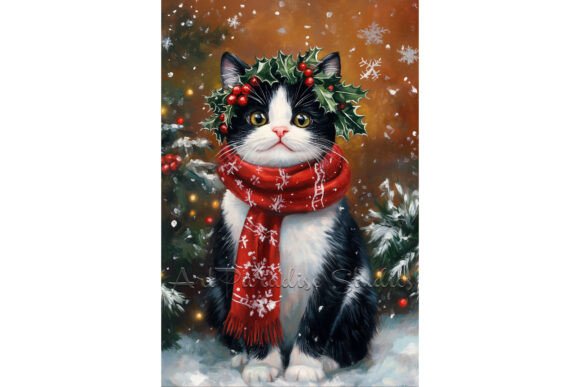
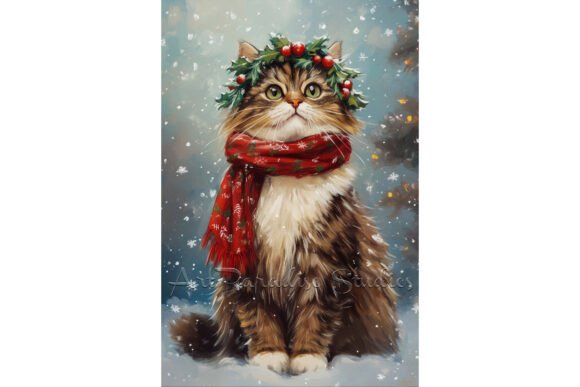
The initial view of this Illustrations piece evokes a serene, wintry atmosphere. The composition centers on the majestic silhouette of a Siberian cat, surrounded by delicate snowflakes and subtle winter motifs. For an embroidery project, the mood is crucial. This design does not scream for attention with chaotic colors; instead, it offers a sophisticated, cozy aesthetic that appeals to buyers looking for understated elegance in their personalized gift choices.
From a layout perspective, the balance between the central figure and the surrounding negative space is well-considered. In embroidery, negative space is your friend. It allows the fabric to breathe and prevents the final finished product from feeling heavy or stiff. The visual personality here suggests warmth and nostalgia, making it an ideal candidate for home decor or high-end apparel rather than novelty items.
Real-World Application: The Tote Bag Test
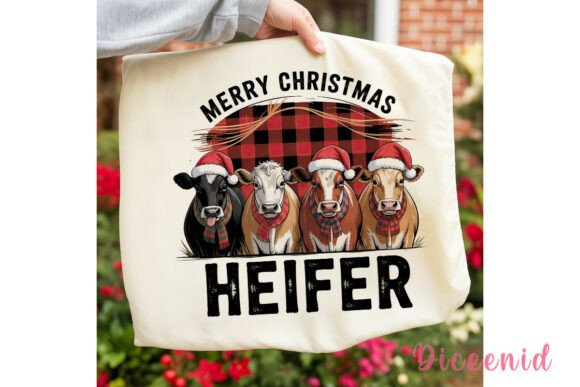
To truly judge a design, you must imagine it stitched out. I visualized this pattern applied to a heavy canvas tote bag design. The robust nature of canvas can handle moderate stitch density, and the contrast of white or silver thread against a natural or deep green fabric would highlight the snow elements effectively. The Siberian cat’s fur texture, if digitized with varied fill stitch directions, could add a tactile richness that elevates the item from a simple bag to a boutique accessory.
Consider also a sweatshirt embroidery project. A crewneck sweatshirt provides a large, stable surface area. Placing this design on the left chest or as a larger back print could create a striking statement piece. However, the success here depends entirely on the digitizing quality. If the snowflakes are too small, they may get lost in the fleece texture. If the cat’s outline relies on a clean satin stitch, it will stand out crisply against the softer background of the garment.
Navigating Fabric and Hoop Constraints
Not every fabric is created equal, and this is where many designers stumble. When working with this embroidery file, you must be mindful of the substrate. For baby embroidery, such as a onesie or soft blanket, the stitch density must be low. High-density fills can cause puckering and discomfort against sensitive skin. If the original design is dense, you may need to adjust the settings in your software or choose a lighter weight thread.
Curved surfaces present another challenge. Applying this to a cap requires careful consideration of the hoop size and the distortion that occurs on curved panels. The intricate details of the snow might not hold up well on a structured cap unless the design is simplified or enlarged. Similarly, on stretchy fabrics like jersey t-shirts, a proper cut-away stabilizer is non-negotiable to prevent the design from warping after washing.
Dark fabrics require strategic planning. If you are stitching this on black or navy, you cannot rely on the fabric color to define the snow. You will need bright, high-contrast thread colors. White, ice blue, and silver metallic threads can create depth, but you must ensure the digitizing includes underlay stitches to anchor the top threads and prevent the dark fabric from peeking through.
Commercial Viability and Brand Consistency
For craft business owners, consistency is key. This design fits well within a cohesive holiday collection. It pairs nicely with other winter-themed design assets, allowing you to create bundled listings or matching sets. A pillow cover with this motif, paired with coordinating kitchen towels, creates a compelling narrative for customers decorating their homes for the season.
The professionalism of the final output directly impacts customer trust. A messy, poorly stitched design reflects poorly on your brand. Conversely, a crisp, well-executed embroidered patch or applique can command a higher price point. This particular design, with its focus on a popular animal subject and seasonal theme, has high "giftability." It appeals to cat lovers and holiday enthusiasts alike, broadening your potential market reach.
Practical Designer Notes for Execution
Before committing to a full production run, adhere to these practical steps:
- Test on Scrap Fabric: Always stitch a sample on the exact fabric type you intend to use. This reveals issues with tension, density, and thread breaks.
- Check Stitch Density: Review the file in your embroidery software. Look for areas where stitches overlap excessively, which can cause thread bunching.
- Verify Detail Clarity: Zoom in on the smallest snowflakes. If they are smaller than 3mm, they may not stitch out cleanly on standard home machines. Consider removing or enlarging them.
- Mockup in Black and White: Convert your digital preview to grayscale. This helps you see the contrast and shape definition without the distraction of color.
- Confirm Licensing: Ensure the license terms allow for commercial use if you plan to sell finished items. Never assume; always read the provider's terms.
Additionally, consider using an applique design technique for larger versions of this art. Using felt or fleece for the cat’s body can reduce stitch count, save time, and add a charming, textured dimension that pure stitching cannot achieve. This is particularly effective for holiday embroidery projects where speed and visual impact are prioritized.
Final Verdict on Usability
The Christmas Siberian Cat Snow Wall Art is a versatile asset for the thoughtful designer. It bridges the gap between artistic illustration and functional embroidery. While it requires careful handling regarding fabric choice and stabilizer selection, its potential for creating high-value small shop product offerings is significant. Whether used for a custom apparel line or unique home decor, it offers a blend of whimsy and sophistication that resonates with modern consumers.
Remember, the best digital embroidery file is only as good as the execution. Take the time to refine your technique, respect the material constraints, and let the design shine through precise stitching. With proper preparation, this piece can become a standout item in your holiday portfolio, driving engagement and sales for your creative enterprise.