Classic Christmas Card: Illustrations for Branding
As a brand designer who has spent years refining visual identities for lifestyle brands and small businesses, I approach every new graphic design asset with a critical eye. It is not just about aesthetics; it is about function, perception, and how well an element integrates into a cohesive marketing strategy. Recently, I reviewed the Classic Christmas Card collection to determine its viability for a seasonal campaign we were developing for a boutique home goods client. The goal was simple: create a warm, inviting holiday presence without sacrificing the clean, modern aesthetic that defines their brand identity.
First Impressions and Emotional Resonance
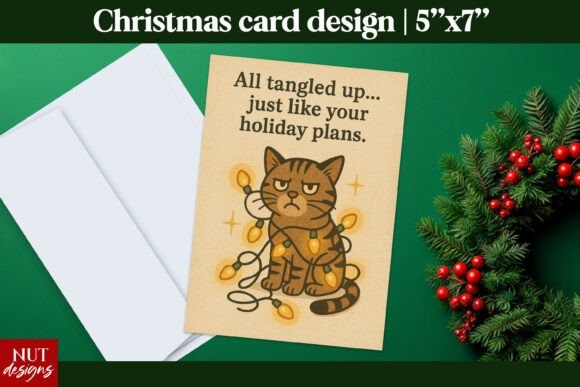
The immediate impact of the Classic Christmas Card series is one of timeless warmth. Unlike the neon-bright or overly cartoonish trends that often saturate the creative marketplace during Q4, these Illustrations offer a subdued, sophisticated charm. For a brand owner, this distinction is crucial. The mood created is nostalgic yet fresh, striking a balance that appeals to audiences seeking authenticity over hype. This emotional tone makes the asset highly suitable for premium visuals, handmade product promotions, and lifestyle content where trust and quality are paramount.
When evaluating design assets for commercial use, I look for versatility. Does it feel cheap, or does it elevate the surrounding content? In this case, the intricate details and balanced composition suggest a level of craftsmanship that aligns well with professional branding. It avoids looking messy, ensuring that even when used as a background or accent, it does not overwhelm the primary message.
Integrating into Real Marketing Workflows
To test the practical application, I imagined a real-world scenario: a small business launching a limited-edition holiday gift set. The Classic Christmas Card elements were tested across various touchpoints. For packaging design, the illustrations worked beautifully as subtle accents on kraft paper boxes, adding a touch of elegance without requiring expensive foil stamping. As a product label element, the clear lines ensured readability even at smaller scales, which is often a pitfall for complex clipart.
In the digital realm, the performance was equally strong. We incorporated the assets into social media graphics for Instagram and Pinterest. The vertical orientation of some pieces made them ideal for Pinterest pins, driving traffic to blog posts about holiday hosting tips. For Facebook ads and digital ads, the neutral color palette allowed us to overlay bold call-to-action text without compromising visual hierarchy. This is a key consideration for any content marketing strategist; the design must support the copy, not compete with it.
Strategic Placement for Maximum Impact
Understanding where to place a graphic design asset is half the battle. The Classic Christmas Card illustrations excel as hero graphics in email banners and website headers. Their detailed nature draws the eye, creating a stronger first impression that can significantly boost audience trust. When used in editorial design for lead magnets or media kits, they break up text-heavy layouts, making the content more digestible and visually engaging.
For those using tools like Canva, these elements serve as excellent foundations for custom Canva template creation. By layering these SVG design or PNG design files with brand-specific typography, you can create a unique look that stands out from generic holiday templates. This approach supports small business branding by maintaining consistency across all platforms, from printable design flyers to digital storefronts.
Navigating Limitations and Best Practices
However, no design asset is universal. There are specific contexts where the Classic Christmas Card should be used with caution. For formal corporate branding or dense information layouts, the decorative nature of the illustrations might distract from critical data. Similarly, on small mobile graphics where screen real estate is limited, intricate details can become muddy. It is essential to test readability in small sizes and ensure there is sufficient contrast against the background.
Another area of caution is overly minimal brands. If your logo design and overall aesthetic are strictly monochromatic and sparse, introducing a detailed illustration might feel disjointed. In such cases, consider using the asset as a faint watermark or cropping it to highlight a single, simpler element. Always check how it pairs with your existing typography. While it complements serif and script fonts beautifully, pairing it with heavy display fonts may create visual clutter.
Practical Designer Notes for Implementation
Before integrating any digital product into a paid campaign, thorough testing is non-negotiable. Here are my top recommendations for maximizing the value of this design bundle:
- Color Palette Testing: Adjust the hue and saturation to match your brand colors. A slight tweak can make a generic illustration feel bespoke.
- Black and White Check: Preview the asset in grayscale to ensure it holds up in print environments where color fidelity may vary.
- Mockup Integration: Place the illustrations inside real campaign mockups, such as phone screens or printed brochures, to gauge scale and proportion.
- Font Pairing: Experiment with different typefaces. These Illustrations often pair well with elegant serif fonts for a traditional look or clean sans serif fonts for a modern twist.
- Licensing Verification: Always confirm the commercial license terms before using the asset in client work or for products you intend to sell. This protects your business and ensures ethical usage.
By treating the Classic Christmas Card not just as a pretty picture but as a strategic tool for visual content creation, you can enhance your marketing visuals significantly. It supports goals like stronger recognition and emotional connection, provided it is applied with intention. Whether you are designing stickers, merchandise, or web design elements, this asset offers the flexibility needed for high-quality commercial design.
Ultimately, the value of a graphic design asset lies in its ability to communicate your brand’s story efficiently. The Classic Christmas Card collection succeeds by offering a blend of tradition and professionalism that resonates with today’s conscious consumers. For content creators and online coaches looking to refresh their seasonal offerings, this illustration set provides a reliable foundation for building memorable, trustworthy, and visually appealing campaigns.